


Breaking Cycles: How to Shift Longstanding Family Patterns

Updated: Jun 14
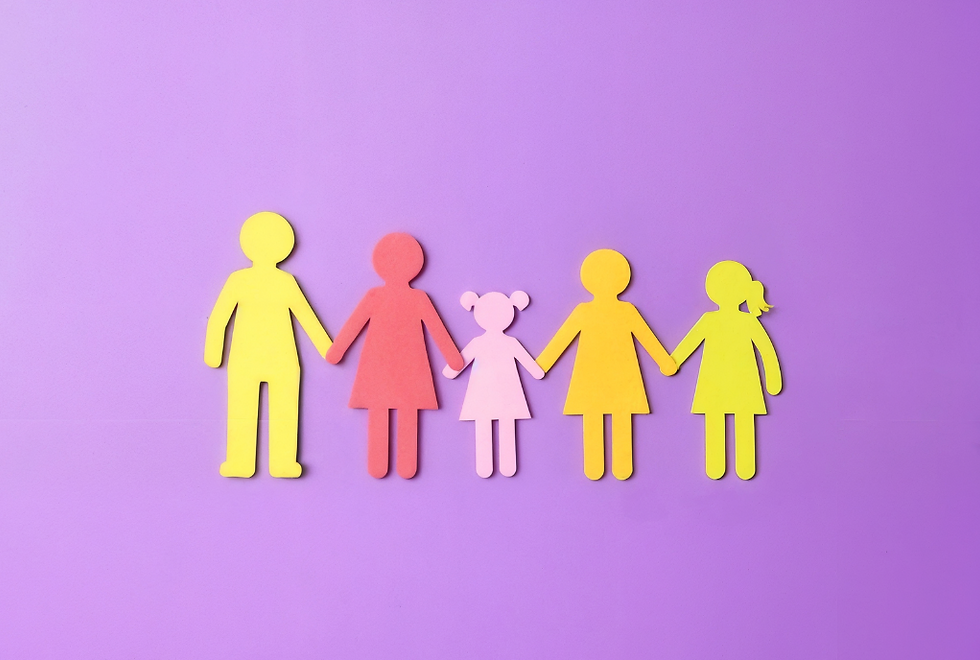
Many of the ways we communicate, cope with stress, express emotions, or handle conflict are shaped long before adulthood, often within our family systems. Family patterns can be passed down across generations, sometimes so subtly that we may not even realise we are repeating them.
While some family patterns foster connection, resilience, and support, others may contribute to emotional distance, criticism, unhealthy boundaries, avoidance, or conflict. The good news is that cycles can be changed. Awareness, intentionality, and support can help individuals and families create healthier ways of relating.
Understanding Family Patterns
Family dynamics refer to the ways family members interact, communicate, and relate to one another. These patterns are often influenced by beliefs, roles, behaviours, and emotional responses developed over time.
In many families, certain roles naturally emerge. Some individuals may become the “peacekeeper,” the “caretaker,” the “responsible one,” or the “problem child.” Over time, these roles can become deeply ingrained and continue to shape relationships well into adulthood.
Patterns can also be intergenerational. According to family systems perspectives, behaviours and emotional responses are often repeated across generations unless consciously addressed.
Signs You May Be Repeating Unhelpful Family Cycles
Some longstanding family patterns may show up as:
Difficulty expressing emotions openly
Avoiding conflict or becoming highly reactive during disagreements
Feeling responsible for everyone else’s emotions
Struggling to set boundaries without guilt
Patterns of criticism, control, or emotional withdrawal
Repeating similar unhealthy relationship dynamics
Prioritising family harmony over personal wellbeing
In some family systems, boundaries may become blurred or enmeshed, where individuals feel emotionally over-responsible for one another. This can make independence, emotional regulation, and healthy communication more difficult.
Why Breaking Cycles Can Feel Difficult
Family patterns are familiar, even when they are painful. People often repeat what they have learned because it feels predictable and deeply conditioned over time.
When one person begins changing, such as setting boundaries, communicating differently, or seeking therapy, it can disrupt the existing family dynamic. Families often operate as interconnected systems, meaning change in one member can affect the entire system.
This is why personal growth can sometimes feel uncomfortable, especially if others are resistant to change.
How to Begin Shifting Family Patterns
1. Build Awareness
Change starts with recognising recurring dynamics. Reflect on the emotional patterns, communication styles, and coping mechanisms you learned growing up.
Ask yourself:
What role did I take on in my family?
How do I respond to conflict or emotional stress?
What patterns do I want to continue and what do I want to change?
Awareness helps separate inherited behaviours from intentional choices.
2. Learn Healthy Boundaries
Healthy boundaries create emotional safety and mutual respect within relationships. Boundaries are not about shutting people out but rather, they help define what feels emotionally healthy and sustainable.
This may include:
Saying no without excessive guilt
Protecting emotional energy
Communicating needs clearly
Allowing others to take responsibility for their own emotions
Boundaries often feel uncomfortable at first, especially in families where people-pleasing or over-functioning has been normalised.
3. Practice New Communication Patterns
Longstanding cycles are often reinforced through repeated communication habits. Learning healthier communication may involve:
Listening without immediately reacting
Using calm and direct language
Expressing emotions honestly
Reducing blame and criticism
Creating space for empathy and accountability
Consistent small shifts in communication can gradually reshape relational dynamics over time.
4. Allow Yourself to Grieve
Breaking family cycles may involve grieving the relationships, emotional experiences, or family environment you wished you had. Healing does not always mean blaming family members, it can also mean acknowledging unmet needs and making room for compassion toward yourself.
Growth often involves balancing acceptance with change.
5. Seek Support
Shifting deeply rooted family patterns can be emotionally challenging to navigate alone. Therapy can provide a supportive space to explore relational dynamics, strengthen boundaries, improve communication, and process unresolved experiences.
Family therapy in particular focuses on understanding how each person influences the wider family system and helps families develop healthier ways of relating.
Restoring Peace is a private mental health therapy practice in Singapore that provides both in-person and online counselling and psychotherapy services. We support children, youth, and adults experiencing depression, stress, anxiety, trauma, PTSD, personality disorders, and other mental health challenges. For more information, please visit Restoring Peace or WhatsApp us at +65 8889 1848. You may also join our Telegram group at Restoring Peace Telegram Group for periodic updates.
Additional Read:
References
Cleveland Clinic. (n.d.). Family therapy: Definition, types, techniques & effectiveness. Cleveland Clinic. https://my.clevelandclinic.org/health/treatments/24454-family-therapy
Clear Mind Health. (2023, August 8). Family dynamics: Shape, roles, and relationships. https://www.clearmind.health/post/family-dynamics-shape-roles-and-relationships
Psychology Today. (n.d.). Family dynamics. https://www.psychologytoday.com/sg/basics/family-dynamics
Psychology Today. (2024, April). Family relationship patterns. https://www.psychologytoday.com/sg/blog/your-emotional-meter/202404/family-relationship-patterns
Simply Counselling Services. (n.d.). Understanding family dynamics. https://simplycounsellingservices.com/understanding-family-dynamics/


전체적으로 완성도가 높고 필요한 정보를 쉽게 확인할 수 여우알바. 밤알바 관련 설명이 중간에 자연스럽게 이어져 신뢰감이 높았으며, 앞으로도 자주 참고하고 싶은 자료였습니다.
알찬 정보가 가득 담겨 있어 읽는 내내 도움이 되었습니다. 문화상품권 관련 혜택과 이용 방법을 쉽게 설명해 주어 활용 가치가 높다고 생각합니다.알찬 정보가 가득 담겨 있어 읽는 내내 도움이 되었습니다.
여러 번 문의해도 항상 같은 답변을 주는 점이 신뢰를 높여 주었습니다. 진행 중 부분이 중간에 분명히 안내되어 헷갈림 상품권현금화 없이 이용할 수 있었습니다. 깔끔한 서비스가 인상적입니다.
평소 절약에 관심이 많은 편인데 기대했던 것보다 좋았습니다. 상품권할인 적용 후 체감되는 혜택이 있었고 전체 이용 과정도 편리했어요. 실생활에서 활용 가치가 높은 서비스입니다.
다양한 정보를 한 번에 확인할 수 있어 매우 유익했습니다. 중간에 관련 내용이 자연스럽게 포함되어 있어 특징과 이점을 쉽게 상품권현금화 이해할 수 있었습니다.